
Courageous Conversations in Early Childhood
20 January 2026

Feel the fear and do it anyway
Written by Dr Jane Ewens
In our early childhood settings, relationships are everything. They shape the way we work with tamariki, with whānau, and with each other. They influence the culture of our rooms, the wellbeing of our teams, and the learning environment we create every day. The whakataukī Tūwhitia te hopo, mairangatia te angitū - feel the fear and do it anyway - speaks directly to the courage required in our mahi as kaiako.
Courage isn’t loud or dramatic. Often, it’s quiet and relational. It’s choosing to have a conversation you’d rather avoid because you care about the person, the team, and the kaupapa. It’s stepping into discomfort so that clarity, trust, and growth can emerge.
The Conversation is the Relationship
In ECE, we know that every interaction matters. A single moment of connection can strengthen a relationship, and a single moment of avoidance can weaken it. When we shy away from conversations, especially tricky ones, we don’t protect the relationship; we simply delay the opportunity for understanding.
Courageous conversations are part of our responsibility as professionals. They help us uphold the standards of our practice, honour our values, and ensure that tamariki receive the best possible learning environment.


Together, these seven conversations create a culture where trust is developed and communication is normal, expected, and safe. They help us see that courageous conversations aren’t just for when things go wrong, they’re part of everyday leadership and relational practice.
What Courage Looks Like for Kaiako
Courageous conversations in ECE aren’t about being blunt or “telling someone off.” They’re about being intentional, respectful, and grounded in manaakitanga. They’re the conversations that help us move forward — whether we’re addressing a concern, clarifying expectations, or celebrating growth.
These conversations often feel uncomfortable, especially with peers we care about. But discomfort is temporary. The clarity and trust that follow can transform a team.
For kaiako, courage might look like:
- Talking to a colleague about a pattern you’ve noticed in their practice or behaviour
- Giving feedback that helps someone grow
- Naming a tension that everyone feels but no one has addressed
- Speaking up for the needs of tamariki when something doesn’t feel right
Each of these moments strengthens the collective responsibility we hold.
Navigating Conflict with Care
Conflict is natural in any team, especially one filled with passionate, committed people. In ECE, conflict often arises because we care deeply about our tamariki and our practice. Instead of avoiding it, we can learn to work with it.
When we approach conflict with curiosity rather than judgment, we create space for understanding. When we focus on the issue rather than the person, we protect mana. And when we keep the shared goal in view, the wellbeing and learning of tamariki, we find common ground more easily.
Different situations call for different approaches, and each of us has a default conflict style. Knowing our own tendencies helps us respond with intention rather than reaction.
Letting Go of Assumptions
One of the biggest barriers to courageous conversations is the story we tell ourselves about someone else’s intentions. In a busy centre, it’s easy to fill in the gaps. But assumptions can lead us away from connection.
Instead, we can pause and ask:
- What might be happening for this person?
- How might they be seeing the situation?
- What choices do we both have from here?
This shift opens the door to empathy and shared problem‑solving, essential ingredients in a strong teaching team.
Facing What Needs to Be Faced
James Baldwin reminds us, “Not everything that is faced can be changed, but nothing can be changed until it is faced.” This is especially true in ECE, where our daily decisions directly impact the learning and wellbeing of tamariki.
Courageous conversations aren’t about being perfect. They’re about being willing to face what needs to be faced so that our practice, our relationships, and our environments can continue to grow.
Courage as a Collective Practice
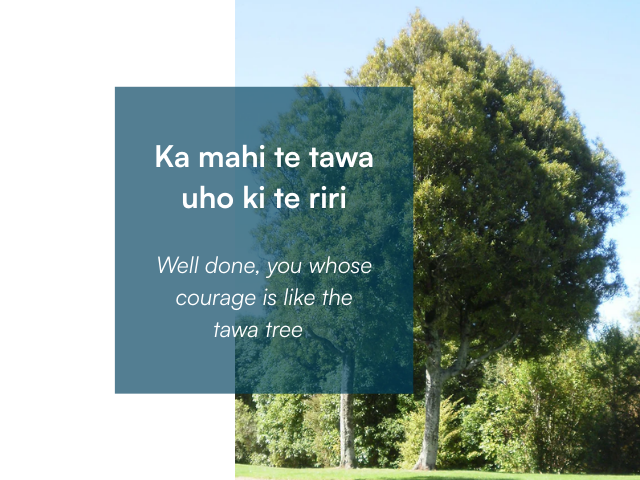
The whakataukī Ka mahi te tawa uho ki te riri - well done, you whose courage is like the tawa tree - acknowledges the strength it takes to step into these moments. As kaiako, we model courage every day for our tamariki. They watch how we navigate challenge, how we repair relationships, and how we speak our truth with kindness.
When we choose courage over comfort, we create teams that trust each other, communicate openly, and work in genuine partnership. And in doing so, we build learning environments where tamariki feel safe, seen, and supported to take risks of their own.
Related Articles

The Gift of Generosity in Early Childhood Education
I want to talk about a value that I believe lies at the very heart of early childhood education—generosity. Now, when most people hear the word “generosity,” we often picture giving gifts, donating money, or sharing resources, maybe even chocolate. And yes, chocolate is a very generous gift—especially if you share it in the staffroom!
Read more