Maths in Action
18 July 2024

Everyday in lots of different ways, opportunities present themselves for our children to engage in mathematical concepts.
Maths skills are built upon one layer at a time- starting all the way from birth!
By early exposure and repetition, you can support your child’s confidence in their learning abilities as they journey through their educational years and beyond!
These are just a few of the ways that you can weave maths into everyday learning for your child:
Baking together
When you break down the tasks required for baking there are lots of opportunities for maths learning. Measuring out ingredients, recognising numbers in the recipe, counting the cups together, setting the timer and counting down - all of these tasks require maths making baking a rich learning experience for children.
Card games
Card games are a fantastic way to support children’s maths learning.
Simple games like memory or go fish encourage children to recognise numbers and match them together. At the end of the game you can count the pairs together.
Number hunting
This could be a fun game of spotting numbers while out and about with your child. Numbers really are everywhere! Letterboxes are a great source of a multitude of numbers. This can help support children with number recognition, patterning, counting (especially in twos for letterboxes).
Pattern exploration
Patterns are everywhere!
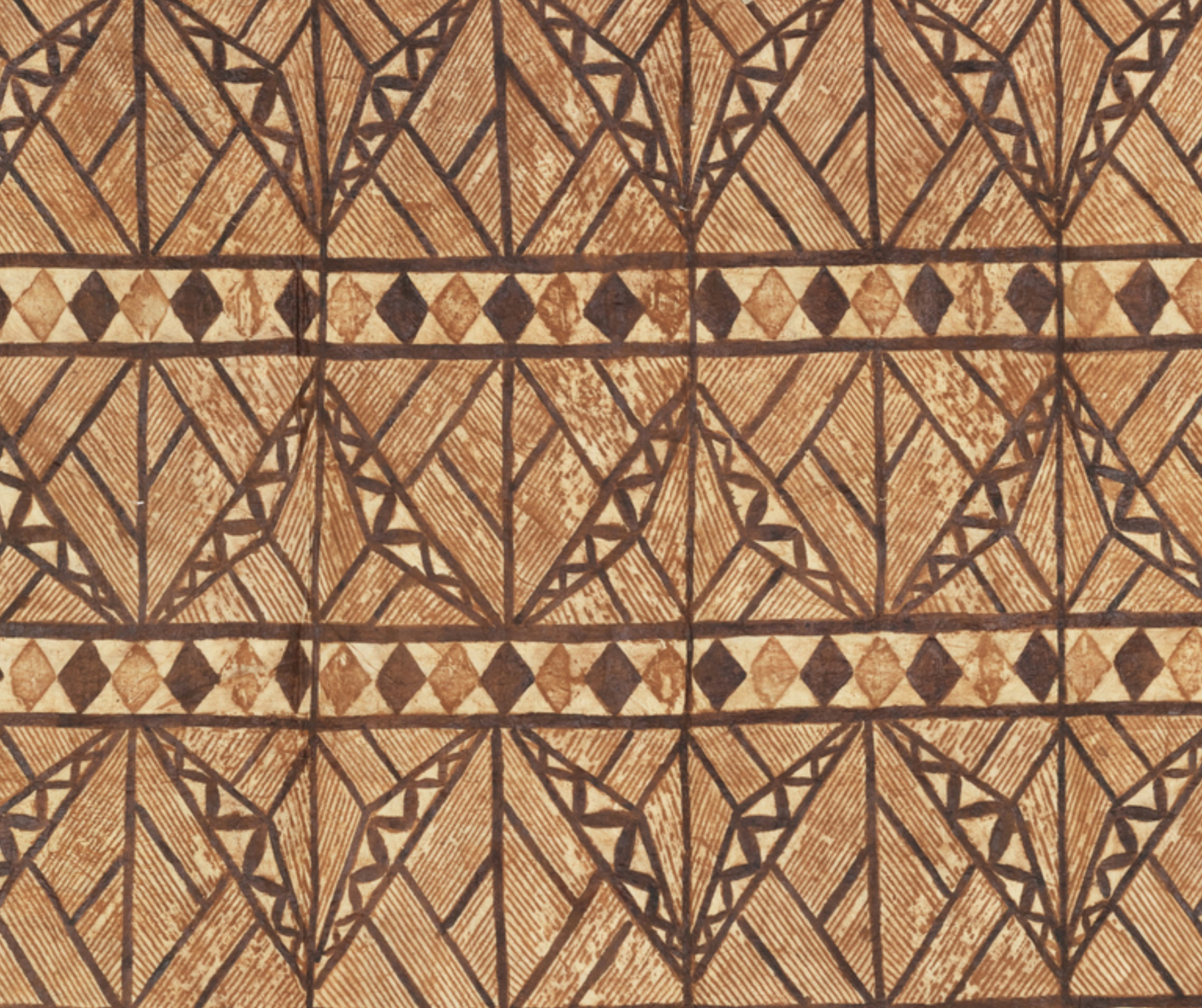
Different cultures use patterns - in Pasifika culture, patterns are used a lot in art form- Tapa cloth designs often include repeating patterns. By recognising patterns around you and sharing them with your child you are encouraging mathematical thinking.
Singing songs
Repetition songs are fantastic for maths learning especially ones such as ‘5 little Monkeys’ or ‘1, 2, 3, 4, 5-once I caught a fish alive’. Songs such as these ones help children with number recognition and repetition, counting, and also helps develop the skill of subtraction by counting backwards!
Pouring drinks
Encouraging your child to pour their own drinks gives them an opportunity to explore measurement. Whānau can support this by using terminology such as “full”, “empty” “half full”
Time language
Weaving time language into everyday conversations with your child will encourage children to naturally use it themselves as well. Words like “before”, “after”, “in 5 minutes”, “in one hour” all start to build a bigger picture for the child in relation to time concepts
Shopping
Grocery shopping also provides many different opportunities for maths learning
How many loaves of bread do we have in the trolley?
We need two cans of tomatoes, can you count them with me?
Grocery shopping also presents lots of opportunities for shape recognition “can you spot any rectangles around us?” (shape recognition can be done in many different places as well- think of all the different shaped letterboxes).
Maths really is everywhere. Although this isn’t an exhaustive list of all the ways you can incorporate maths learning into your child’s life, it highlights just how many learning opportunities naturally occur daily and the benefit of leaning into these moments can have on your child’s confidence in their learning.
For a printable version please click here

Keeping things Consistent
In a time where there is a lot of instability and unknowns within in our communities, it is more important than ever to protect our children’s sense of security and belonging. One of the ways that this can be achieved is by keeping things consistent, but what does this really mean and what are the benefits of this for your child?
Read more

The Magic of Twigs, Stones and Leaves: using natural materials in your child's play
In a world where ‘educational’ toys and equipment are promoted heavily across different media settings it seems important to share some of the very real ways that you can help support your child’s learning and development through the use of natural materials which are easier both on the planet as well as on your wallet!
Read more

Te Whāriki for Whānau
As a parent, navigating the world of Early Childhood Education can often feel daunting, and at times, it may seem like you’re trying to grasp an entirely new language, one that may even differ from centre to centre based on their unique philosophies! However, there is one common thread among all early learning services in New Zealand: they all follow a bicultural early childhood curriculum called Te Whāriki.
Read more