
The Magic of Playdough
19 June 2024
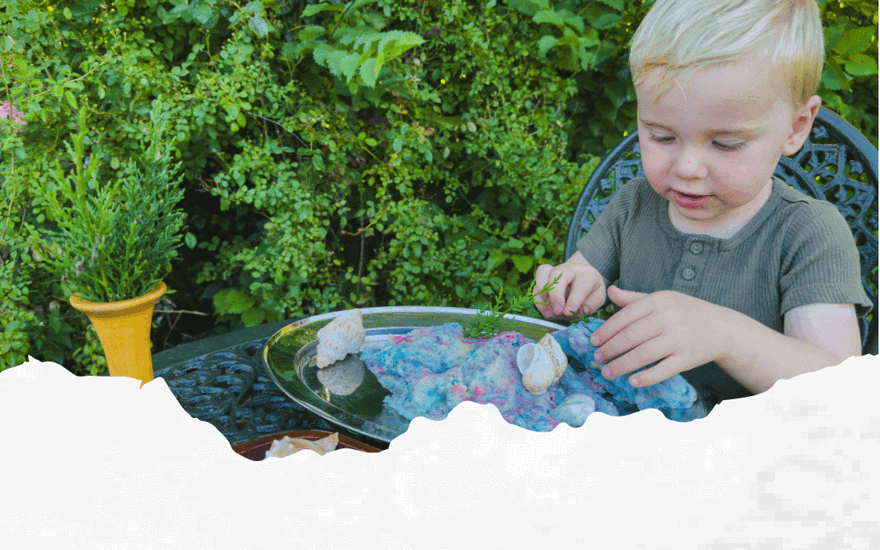
No doubt over the years we’ve all had a wee dabble playing with playdough- whether it be the commercial playdoh brand that was first marketing as a play product in the 1950’s or the homemade version that has been whipped up in kitchens all around the world.
There are many reasons why playdough is so popular and the skills developed through playing with this medium go far deeper than just imagination and creativity!
The first thing most children (and adults too) do when given a ball of playdough is squish it. When you think about little hands doing this- it requires a fair amount of hand eye coordination and also strength to do this.
The human hand is a bit of a marvellous feat really – compromising of 27 bones, 27 joints, 100 ligaments and 34 muscles that control all the movement in the hands and fingers. These muscles are called fine muscles and whilst some of them work from birth, others don’t develop until much later in childhood.
Here is an x-ray example of a three year old’s hand vs an eight year old’s hand:

As you can see in the image above, the bones in children’s hands have lots of spaces between them. As they grow and develop these spaces decrease which makes tasks such as writing easier to achieve.
Playing with Playdough is a fantastic way for children to strengthen the developing muscles in their hands whilst also supporting their fine motor skills.
As children play with playdough they often explore the social world through their imaginations- playdough can quickly become food that they are preparing as well as many other creative objects.
As children talk through what they are creating they are building upon their communication skills and if they are playing alongside other children then they are also further developing their social skills as well.
Of course, the learning can start well before playing with the finished product of playdough, making homemade playdough with your child is a fantastic way to introduce science and maths concepts- weighing, measuring, addition, numeracy, wondering and experimenting can all be woven in as you go!
If you’d like to give Playdough a go here is a simple recipe that you can make at home using common pantry items
Ingredients:
2 cups flour
1 cup salt
4 teaspoons cream of tartar
4 tablespoons oil
1.75 cups boiling water
1 teaspoon food colouring
Method:
Mix salt and cream of tartar
Mix through oil and colouring
Add boiling water and mix through
Mix through flour. If the mixture is a bit sticky add a little more flour.

Keeping things Consistent
In a time where there is a lot of instability and unknowns within in our communities, it is more important than ever to protect our children’s sense of security and belonging. One of the ways that this can be achieved is by keeping things consistent, but what does this really mean and what are the benefits of this for your child?
Read more

The Magic of Twigs, Stones and Leaves: using natural materials in your child's play
In a world where ‘educational’ toys and equipment are promoted heavily across different media settings it seems important to share some of the very real ways that you can help support your child’s learning and development through the use of natural materials which are easier both on the planet as well as on your wallet!
Read more

Te Whāriki for Whānau
As a parent, navigating the world of Early Childhood Education can often feel daunting, and at times, it may seem like you’re trying to grasp an entirely new language, one that may even differ from centre to centre based on their unique philosophies! However, there is one common thread among all early learning services in New Zealand: they all follow a bicultural early childhood curriculum called Te Whāriki.
Read more